About
Solving the battery problem most companies overlook.
Conventional batteries optimize electrochemical performance separately from the platform. Sasung Power began with a simple observation: mobile robots, UAVs, and EVs need batteries, but also place structural loads on every component they carry. Our cells make those loads part of the design.
Mission
Zero the mass cost of separate storage.
Every mobile platform carrying a battery pays twice in mass: first for the energy store, then for structural members strong enough to support that added weight. The system grows heavier, load requirements rise, and the platform carries its battery as dead weight, leaving less capacity for everything else.
Sasung Power's mission is to reduce that mass tax to zero. When the structural member is also the battery, the penalty goes away. The cell bears the load and stores the energy. One component, one qualification, one line item for both functions.
We track progress by kilograms removed from each platform, not milliamp-hours per gram. These targets differ, so they demand a different battery company.
Target mass penalty for structural battery integration versus a conventional pack-in-bay architecture
Active programs include EV floor pans, bipedal robot leg frames, and UAV fuselage panels
Our cell engineering and software teams are based here, with direct access to the regional EV and robotics ecosystem
Team
Engineering-led from day one
Sasung Power was founded by engineers working across structural materials and electrochemical systems in industrial automation and advanced materials research. Our founding thesis was focused: a cell's impedance under mechanical load could be predicted and managed in software, and that software layer was the missing link between structural battery research and usable products.

Mi-Young Park
CEO & Co-Founder
Mi-Young Park (CEO & Co-Founder) works in composite materials engineering and battery systems for industrial automation. She saw battery-module failure modes under mechanical load as addressable with the right sensor and software architecture.
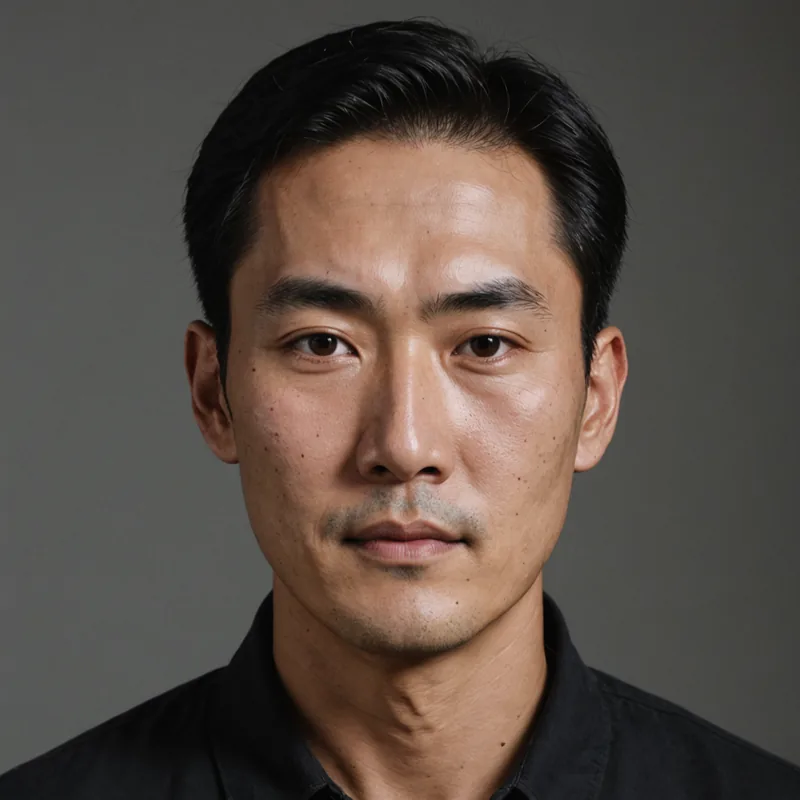
Jae-Won Kim
CTO & Co-Founder
Electrochemical systems researcher with a focus on impedance spectroscopy and state estimation under non-standard operating conditions. Led the cell architecture program that produced the current structural cell format used in all integration programs.
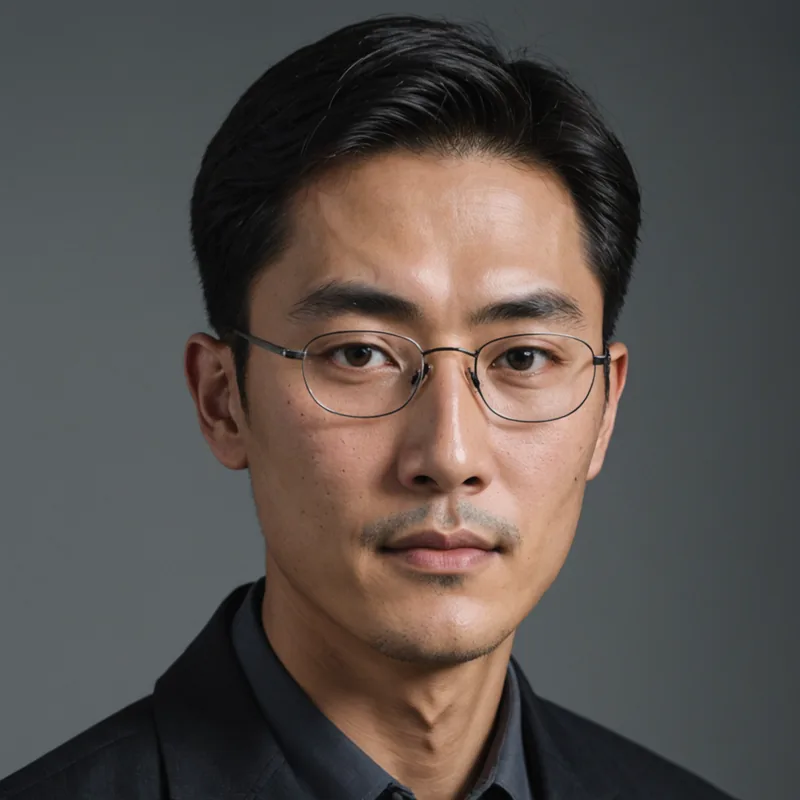
Hyun-Soo Lee
Head of Software
Hyun-Soo Lee (Head of Software) is an embedded systems engineer with experience leading firmware and signal processing teams at a robotics startup. He built the BMS firmware stack and telemetry API used by integration partners.

Clara Santos
Partner Development Manager
Clara Santos (Partner Development Manager) managed hardware integration programs at a large mobility platform company. She structures Sasung Power's partner process and qualification milestones so pilots target production readiness on a defined timeline.
History
From research cell to integration.
Company founded in Suwon
Mi-Young Park and Jae-Won Kim founded Sasung Power around a focused thesis: structural-cell impedance under mechanical load could be predicted well enough for software management, and that software layer could bridge structural battery research and products. First cell prototypes were produced in Q4 2023.
Structural cell format validated
The SPW-C1 format completed combined load and electrochemical qualification. It was the first cell to show less than 2% capacity deviation under 3-point bending at 14 kN while completing full charge-discharge cycling.
BMS v1.0 shipped to first integration partner
The BMS software stack, including cell-level telemetry and an AI state estimation engine, went to the first integration partner for a UAV airframe program. A functional prototype confirmed cell-level impedance tracking during gust-load simulation.
Early-access program opens, partner integrations start
Sasung Power opened its structured pilot program to qualified EV, robotics, and UAV platform teams. The first cohort included a bipedal robotics program and a UAV fuselage integration, both completing the six-week scoping process and moving to combined load qualification.
EV floor pan pilot program begins
The first EV floor pan integration pilot launched with a passenger vehicle OEM program, targeting a 23% system mass reduction versus the current pack-in-bay architecture. Combined load qualification finished in Q2 2026.
Location
Suwon, South Korea.
Sasung Power is located in Suwon, within the Gyeonggi-do technology corridor south of Seoul. The city brings together materials science, semiconductor, and electronics engineering talent, all relevant to structural battery development.
Our location provides direct access to regional EV, robotics, and advanced manufacturing supply chains, plus a two-hour flight to major UAV and mobility platform development centers in East Asia.
Sasung Power Co., Ltd.
Gwanggyo-ro 156
Suwon 16229
South Korea
Get Directions and Contact InfoSuwon, South Korea
Gyeonggi-do Technology Corridor
Work With Us
Join an integration program or our team.
We are expanding our integration partner portfolio across EV, robotics, and UAV verticals, while growing the engineering team in Suwon. Both conversations begin in the same place.